



Elegant Design Made Simple: Color, Proportion, Texture
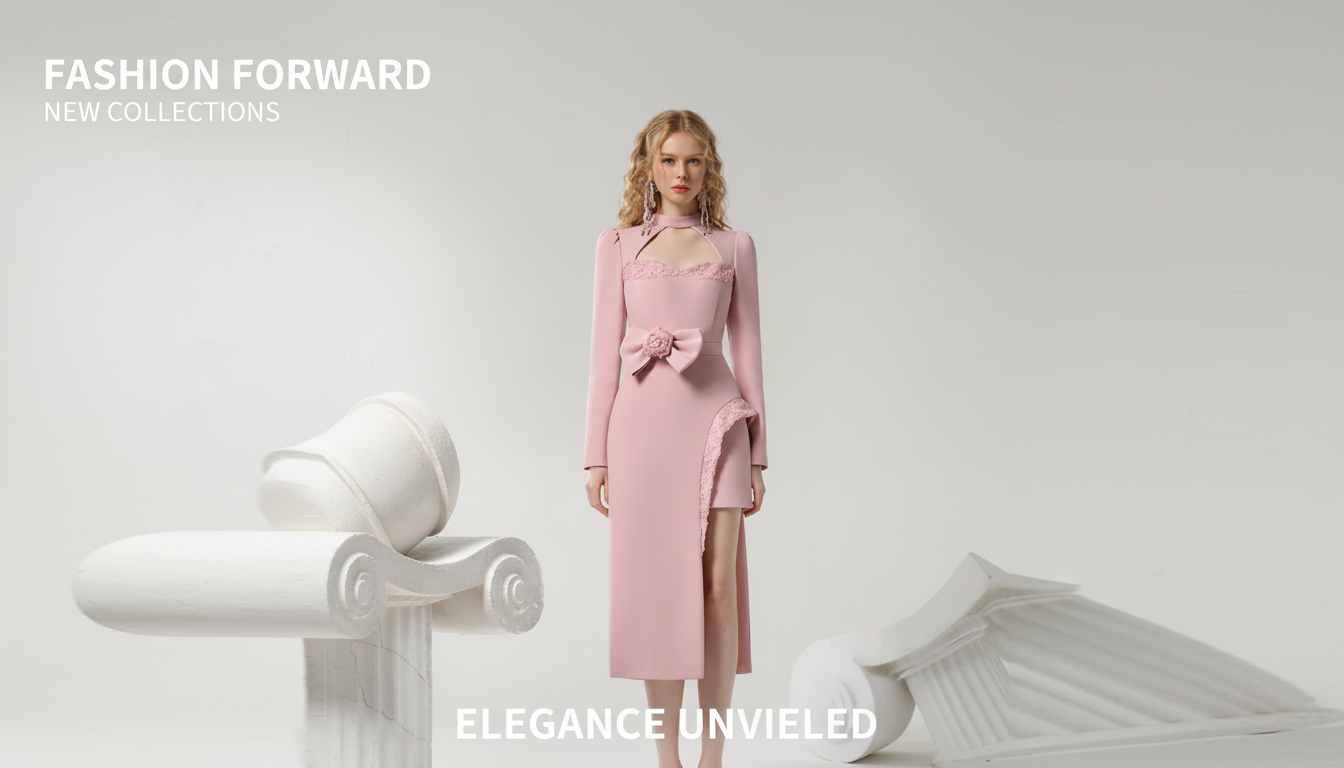
How can I create an elegant design?
Creating an elegant design comes down to intentional restraint: fewer elements, better materials, and clean proportions. Whether styling an outfit, setting a table, or refreshing a room, elegance reads as “considered” rather than “decorated.” Start by choosing one clear focal point, then support it with calm, cohesive details that don’t compete for attention.
Start with a refined color palette
Limit your palette to two or three core colors plus one subtle accent. Neutrals (cream, black, taupe, soft gray) instantly feel polished, while one controlled pop—like a blush tone—adds warmth without clutter. If you love romantic color, use it in one dominant piece and keep everything else quiet.
Prioritize proportion and structure
Elegant design depends on balance: volume paired with sleekness, softness paired with shape. In fashion, a flowing maxi dress feels elevated when the waist is defined or the neckline is clean. In interiors, pair a substantial sofa with slimmer side tables, or balance a bold statement light with minimal accessories.
Choose quality textures over busy patterns
Texture adds depth without visual noise. Think smooth satin, crisp cotton, fine knits, matte ceramics, brushed metals, or natural wood grain. If you use pattern, keep it classic and scaled—one pattern per “scene” is usually enough.
Edit details and repeat a motif
Elegance often comes from subtraction. Remove anything that feels extra, mismatched, or purely filler. Then create cohesion by repeating one motif: a metal finish (gold or silver), a curve shape, or a single color thread across small elements (shoes, belt, bag; or vase, frame, candleholder).
Use one standout piece, then keep everything else supportive
A single memorable item makes design feel intentional: an irregular-hem dress, a sculptural mirror, or a statement chair. Let it lead, and keep supporting pieces streamlined. For a style-specific example, see this guide on building a refined look around a pink maxi dress with an irregular hem and hollow waist: https://havencia.com/guide-pink-maxi-dress-irregular-hem-hollow-waist-style-guide/.
FAQ
What colors look the most elegant together?
Neutrals like black, ivory, and taupe look naturally elegant, especially with one soft accent such as blush or deep burgundy. Keep contrast intentional and avoid adding too many competing tones.









Leave a comment