



Helping a 15-Year-Old Daughter Cope With Anxiety
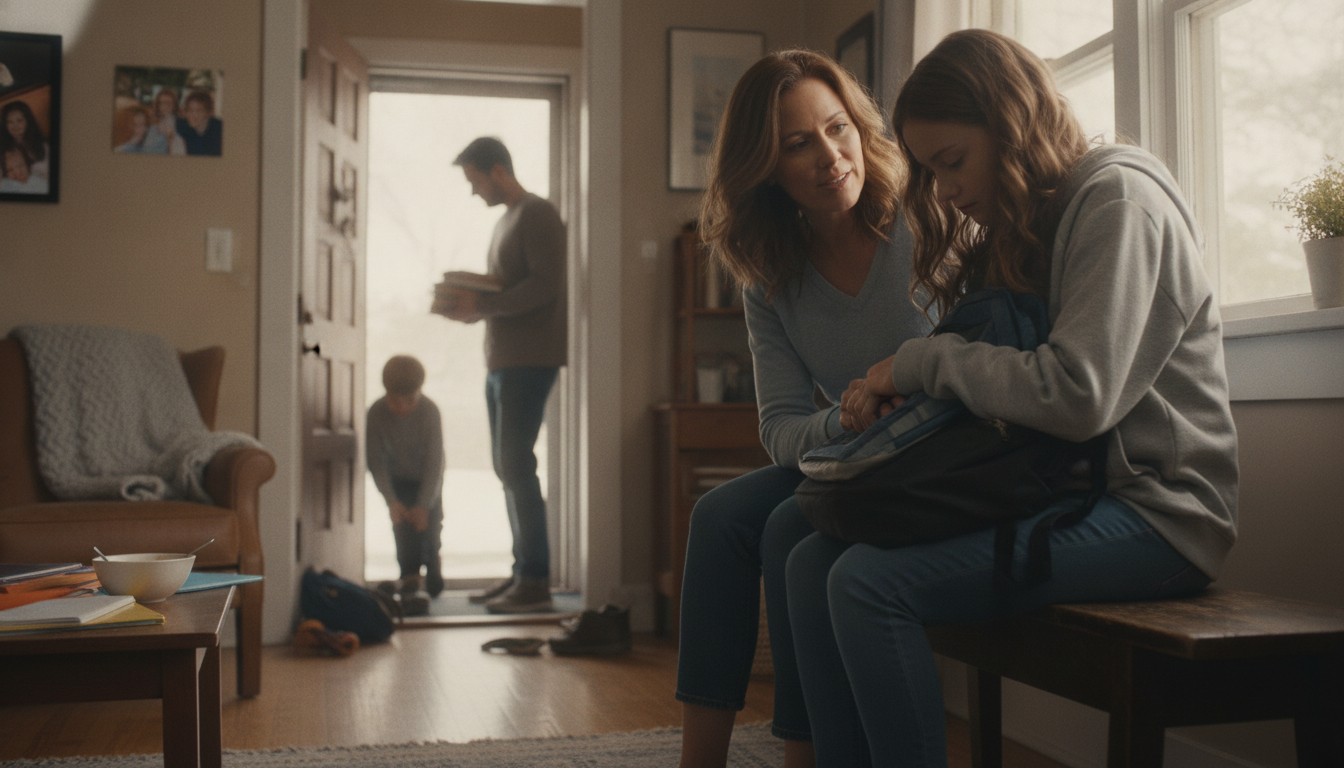
How do I help my 15 year old daughter with anxiety?
Start by treating anxiety as a real experience, not a phase to “snap out of.” A calm, steady approach from you can lower the intensity of what she’s feeling and make it easier for her to accept support.
1) Lead with connection, not fixing
Pick a low-pressure moment (driving, doing dishes, walking) and open gently: “I’ve noticed you seem overwhelmed lately. Do you want to talk, or would you rather I just sit with you?” Avoid rapid-fire questions. Reflect back what you hear: “That sounds exhausting,” or “It makes sense you’d feel on edge if you’re worried about school and friends.” Feeling understood is often the first step toward feeling safer.
2) Validate, then get curious about patterns
Validation doesn’t mean you agree with every fear—it means you acknowledge the emotion. After that, explore what’s fueling it: When does it spike (mornings, social events, tests)? What does it feel like in her body (stomach, chest, headaches)? What helps even a little (music, movement, a shower, texting a friend)? This creates a shared “map” of her anxiety instead of a battle about whether it’s real.
3) Build a small, doable support plan
Teens do better with tiny steps than big lectures. Together, pick one or two “anchor habits” for the week: consistent sleep/wake times, protein at breakfast, a 10-minute walk, or a short wind-down routine. If she’s avoiding something, aim for gradual exposure—one manageable step—rather than pushing her into the hardest version immediately.
4) Use tools that match an anxious, sensitive nervous system
Some teens respond best to gentle motivation, clear boundaries, and low-shame accountability. For practical ideas you can try at home, visit this parent-and-teen anxiety guide for a checklist of supportive “power moves” that keep connection first.
5) Know when to bring in professional help
Consider a therapist (CBT/DBT, exposure-based therapy, or family therapy) if anxiety lasts weeks and interferes with school, sleep, friendships, or daily functioning. Seek urgent help if there’s self-harm, suicidal talk, panic that feels unmanageable, or substance use.
FAQ
What are signs that my teen’s anxiety may need professional help?
If anxiety is causing frequent school avoidance, persistent sleep problems, panic attacks, or major withdrawal from friends and activities, it’s time to consider professional support. Immediate help is warranted if there’s self-harm, suicidal thoughts, or unsafe coping behaviors.















Leave a comment