



Indoor-Safe Propane Heaters: What to Buy & Avoid
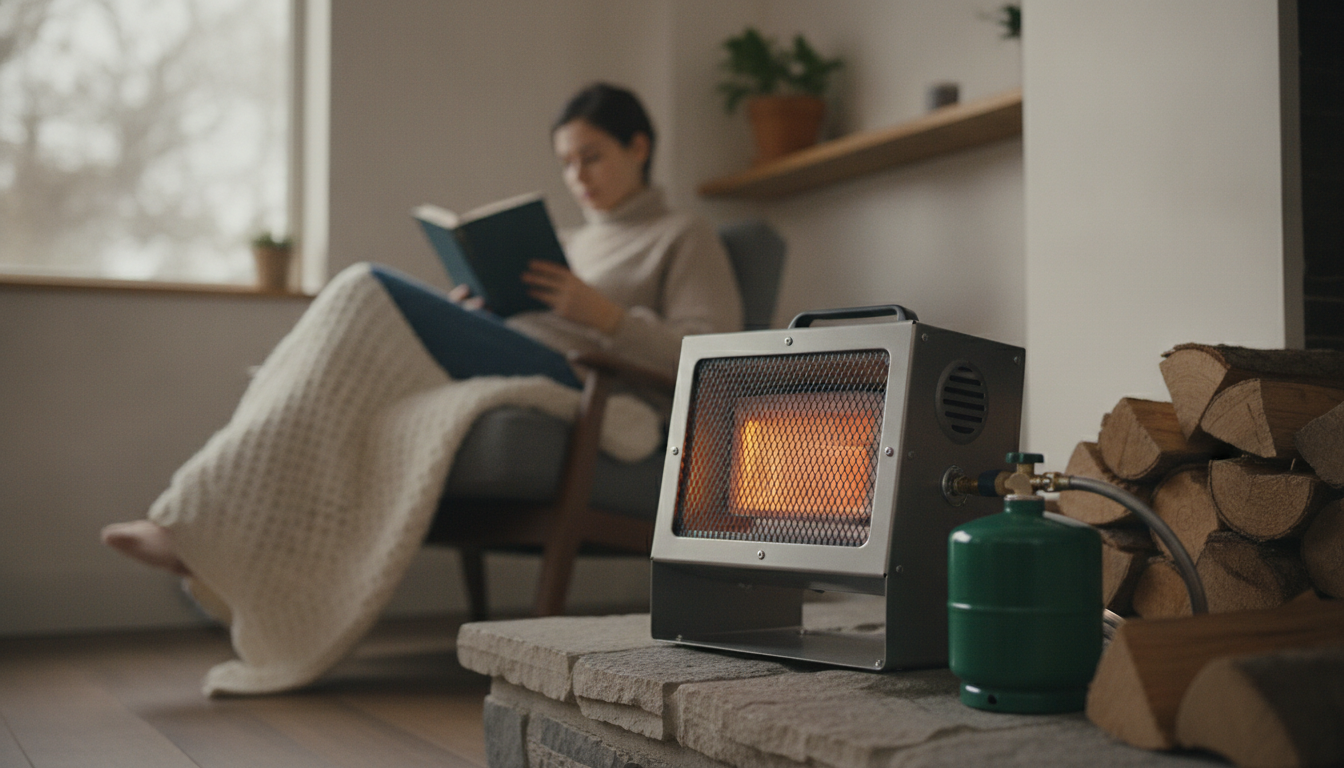
Is there a propane heater that is safe for indoor use?
Yes—some propane heaters are designed and certified for indoor use, but “safe” depends on choosing the right type and using it exactly as directed. Look for a heater that is explicitly labeled for indoor operation and certified by a recognized testing lab (such as UL). These models are built with features intended to reduce common indoor risks, including low-oxygen shutoff sensors (ODS), tip-over protection, and automatic shutoff.
Even with an indoor-rated unit, combustion appliances can produce carbon monoxide (CO) if they malfunction, are misused, or operate in poorly ventilated spaces. Run a working CO alarm in the same general area, keep the heater away from curtains and furniture, and follow clearance requirements. Avoid using any propane heater in bedrooms, small enclosed rooms, or areas where it’s not permitted by the manufacturer. Never use an outdoor “torpedo” or construction heater indoors.
What to check before buying
Start with the label: it should clearly state “indoor safe” or “approved for indoor use.” Next, match the heater’s BTU output to the room size so it doesn’t overheat the space or tempt you to run it improperly. For fuel, many indoor-safe portable heaters use 1 lb cylinders (with optional hose connections to larger tanks when allowed). If you’re considering a permanently installed propane appliance, choose a vented model that exhausts combustion gases outdoors.
Indoor propane heat vs. indoor propane hot water
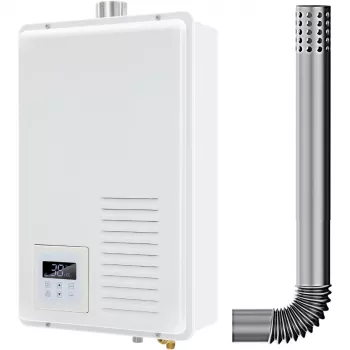
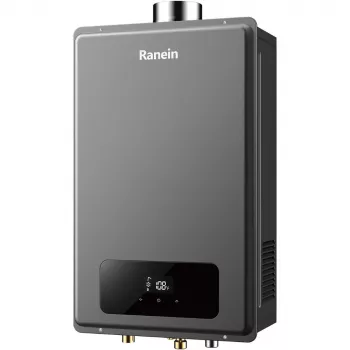
Some shoppers are comparing indoor propane space heaters with indoor propane tankless water heaters. Tankless units are typically installed indoors but are vented (or direct-vent) and require correct gas sizing, venting, and often professional installation. For a deeper look at selecting an indoor propane tankless water heater—especially for higher-flow setups—see this guide: 7.4 GPM Indoor Propane Tankless Water Heater Guide.
FAQ
Do indoor propane heaters need ventilation?
Many indoor-rated portable models are designed to operate with limited ventilation, but they still require fresh air per the manual. When in doubt, crack a window and always use a carbon monoxide alarm.












Leave a comment