



Wireless Charging and Pacemakers: Safety, Risks, Tips
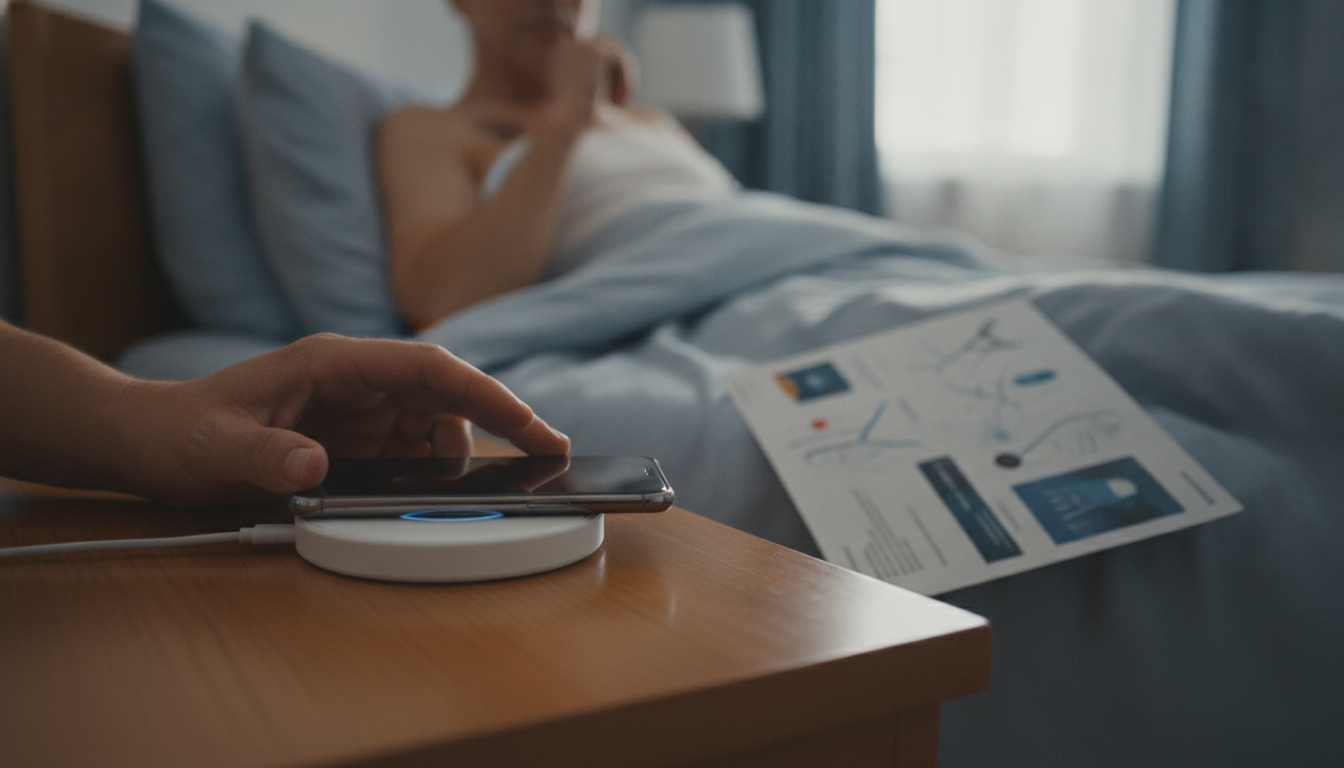
Is wireless charging safe for pacemakers?
Wireless charging is generally considered safe for many pacemaker users, but it isn’t “one-size-fits-all.” Wireless chargers create an electromagnetic field that can, in certain situations, be picked up by a pacemaker’s sensing circuits. The most likely risk is temporary interference when the charger or the phone being charged is held very close to the implant site—such as resting a charging phone on the chest or leaning directly over a charging pad for an extended time.
What the real-world risk usually looks like
If interference occurs, it’s typically brief and resolves as soon as you increase distance. Modern pacemakers are designed with shielding and filtering, but sensitivity varies by device model, settings, and individual clinical needs. Some people may never notice anything; others may be advised to be more cautious based on their cardiologist’s guidance.
Simple precautions that reduce exposure
A practical approach is to treat a wireless charger like any other small electronic emitter: avoid placing it directly over your pacemaker. Keep the charging pad and charging phone a few inches away from the implant area, and don’t carry a charging phone in a chest pocket on the same side as your device. If you feel dizziness, palpitations, or unusual symptoms while near a charger, step away and contact your clinician.
When to ask your doctor or device clinic
If you have a newly implanted pacemaker, a history of sensitivity to electromagnetic interference, or you use other medical devices, confirm recommendations with your cardiology team. You can also ask your pacemaker manufacturer about specific guidance for Qi-style charging and common accessories.
For more detailed context and safety tips, read the full guide here: https://havencia.com/is-wireless-charging-safe-for-pacemakers/.
FAQ
How close can a wireless charger be to a pacemaker?
A good rule is to keep the charger and the charging phone a few inches away from the implant site and avoid resting them directly on your chest. If your device clinic provides a specific distance recommendation for your model, follow that guidance.














Leave a comment