



LED Light Therapy for Your Body: Benefits & Effects
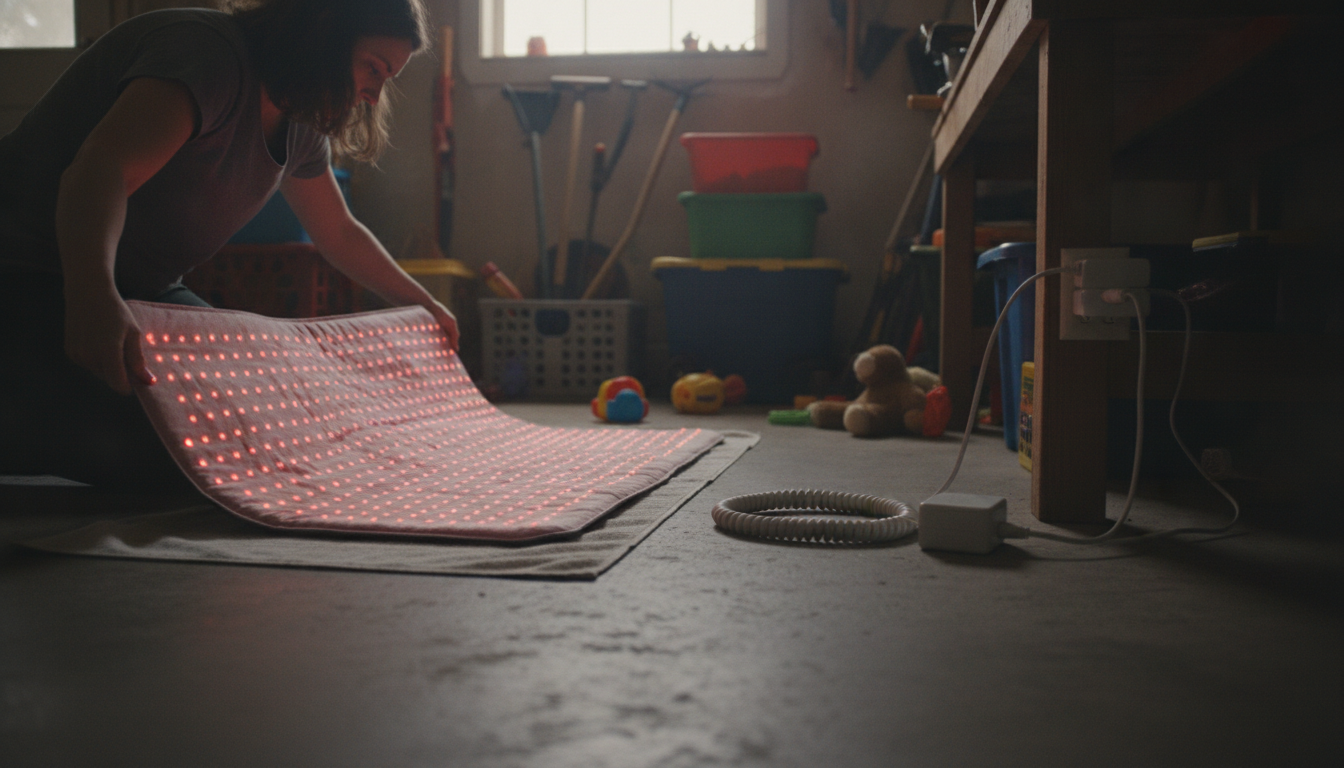
What does LED light therapy do for your body?
LED light therapy delivers specific wavelengths of light to your skin and underlying tissues to support how your body repairs, calms, and energizes itself. Unlike UV light, it’s designed to be non-invasive and gentle, with the goal of encouraging healthier-looking skin and helping the body feel more comfortable after daily stress, workouts, or long hours at a desk.
How different colors of LED light can affect the body
Different wavelengths penetrate to different depths, which is why LED devices often offer multiple colors. Red and near-infrared light are commonly used for promoting circulation and supporting collagen and elastin—structures that help skin look firmer and smoother. Blue light is often used to target acne-causing bacteria on the skin’s surface, which may help reduce breakouts. Some devices also include amber or green tones aimed at calming visible redness or uneven tone.
Potential benefits people use it for
Many people use LED light therapy to improve the appearance of fine lines, dullness, and post-breakout marks, as well as to soothe irritation after shaving, cosmetic treatments, or sun exposure. Athletes and wellness-focused users also look to red/near-infrared light for muscle recovery support, since improved local circulation can help tissues feel less tight and more resilient.
What it feels like and how fast results show up
Sessions typically feel warm or neutral—more like a bright glow than a “treatment.” Results are usually gradual and depend on consistency, device quality, and your specific goal. Some notice a fresher look after a few sessions, while changes like improved tone and firmness often take several weeks of regular use.
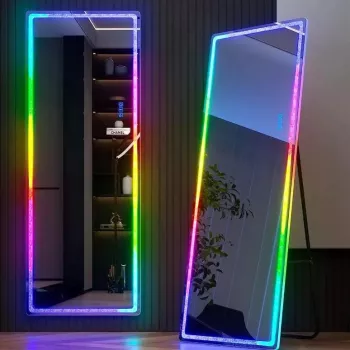
For a closer look at LED-lit wellness and beauty setups—especially mirror-based options—visit this full guide to crushed diamond full-body LED lighted mirrors.
FAQ
Is red light therapy safe for daily use?
For most people, red light therapy is considered low-risk when used as directed. Avoid staring directly at bright LEDs, follow the device’s recommended session length, and check with a clinician if you have a light sensitivity condition or take photosensitizing medications.













Leave a comment