



AI Meditation Checklist for Anxiety: How to Use It
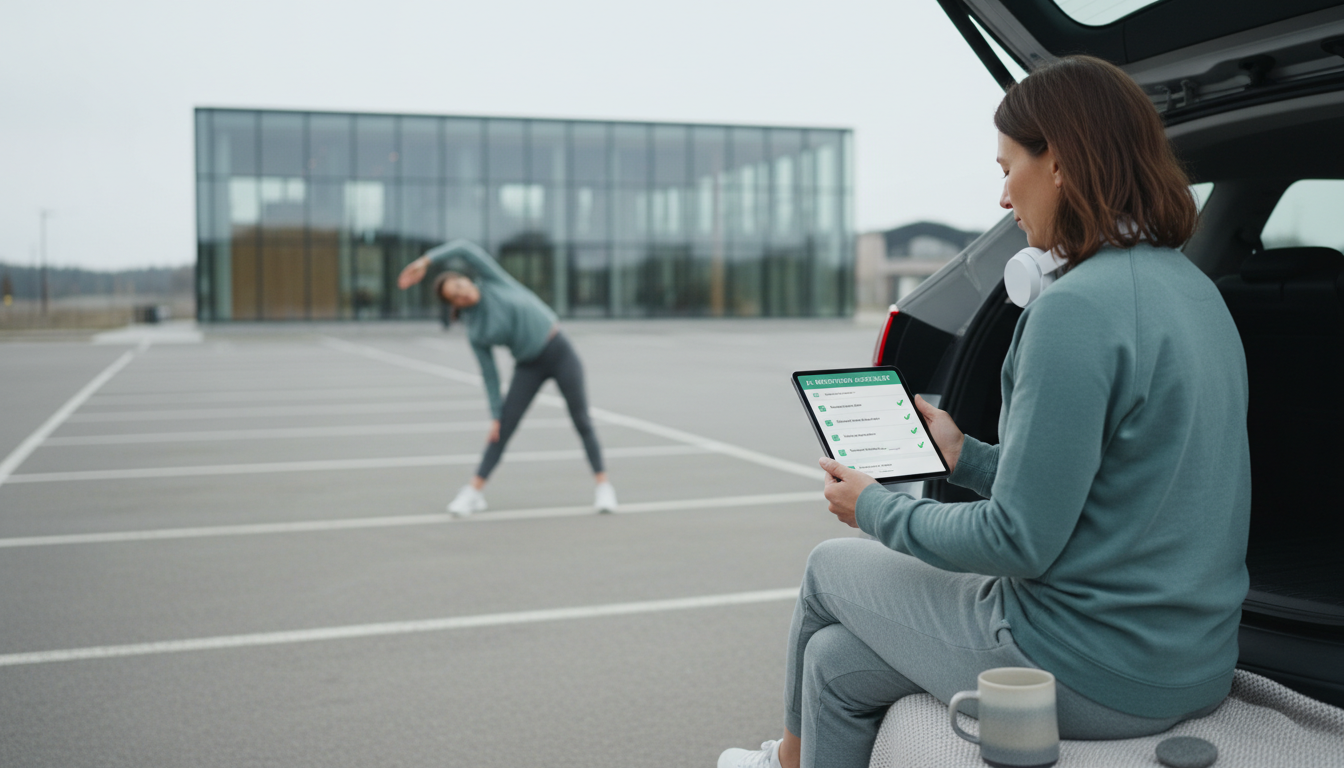
What is an AI meditation checklist for anxiety and how do you use it?
An AI meditation checklist for anxiety is a short, step-by-step routine you can follow when stress spikes—often paired with AI-guided prompts that keep you focused and moving through calming actions in a clear order. Instead of guessing what to do first, the checklist gives you a simple sequence (like breathing, grounding, muscle release, and a quick reflection) so your nervous system can settle.
The “AI” part typically means you get guided suggestions tailored to how you’re feeling in the moment—such as choosing a shorter practice when you’re overwhelmed, offering grounding cues when you’re spiraling, or adjusting language to be more soothing and direct.
How to use an AI meditation checklist (step by step)
1) Name what’s happening. Take 5–10 seconds to label the feeling (“anxious,” “panicky,” “restless”). This reduces mental noise and makes the next steps easier.
2) Set a tiny time container. Pick 2, 5, or 10 minutes. A short limit can make it more doable when anxiety is high.
3) Start with breath cues. Follow the checklist’s breathing pattern (for example, a slow inhale and longer exhale). If the AI guide offers options, choose the one that feels easiest—not the most intense.
4) Ground in the present. Use a quick sensory scan (feet on the floor, back against the chair, temperature of the air). Many checklists include a “5-4-3-2-1” style grounding step to interrupt racing thoughts.
5) Release body tension. Unclench your jaw, drop your shoulders, and relax your hands. If prompted, do a brief head-to-toe check and soften one area at a time.
6) Close with one supportive line. End with a short phrase like “This feeling will pass” or “I’m safe enough right now.” Then choose one next action (drink water, step outside, return to your task).
For a ready-to-use version you can follow in real time, see this AI-guided checklist for anxiety relief.
FAQ
How often should you practice a calming routine if you have anxiety?
Daily practice helps build the skill before you need it, even if it’s just 2–5 minutes. When anxiety hits, use the checklist as a “reset” as many times as needed, especially during high-stress days.












Leave a comment