



SMART Mental Health Goal Examples You Can Start Today

What is an example of a SMART goal for mental health?
A practical example of a SMART goal for mental health is: “For the next 4 weeks, I will practice a 10-minute guided mindfulness session at least 5 days per week after dinner, and I will track each session in a notes app.” This works because it’s specific (guided mindfulness after dinner), measurable (10 minutes, 5 days/week), achievable (short, realistic time commitment), relevant (supports stress management and emotional regulation), and time-bound (4 weeks).
If mindfulness isn’t the right fit, the same SMART structure can apply to other supports. For example: “Over the next 30 days, I will go to bed by 11:00 p.m. on weeknights at least 4 nights per week to improve mood and energy, and I’ll track bedtime in a sleep log.” Or: “By the end of this month, I will schedule one therapy consultation and attend at least one session, then write down three takeaways afterward.”
The most effective SMART mental health goals focus on controllable actions rather than outcomes. Instead of aiming to “feel less anxious,” anchor the goal to a behavior you can repeat (breathing practice, journaling, movement, social connection, therapy steps) and a simple way to monitor progress.
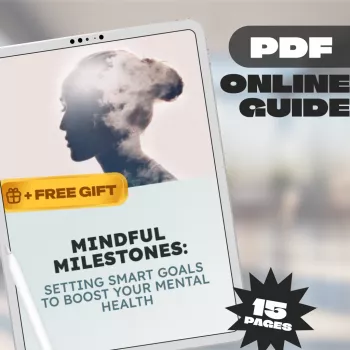
For more ideas and step-by-step guidance, visit this SMART mental health goals guide.
For SMART Mental Health Goal Examples You Can Start Today, the best answer depends on fit, material, care instructions, and how the product will be used day to day.
Checking those details first helps avoid a poor match and keeps the choice practical after delivery.
For SMART Mental Health Goal Examples You Can Start Today, the best answer depends on fit, material, care instructions, and how the product will be used day to day.
FAQ
How do I track progress on a mental health goal?
Pick one simple metric (minutes practiced, days completed, bedtime logged) and record it in one place, like a calendar or notes app. Review it weekly to spot patterns and adjust the goal if it’s too easy or too hard.














Leave a comment