



Most Comfortable Dog Bed: Fit, Support, Breathability
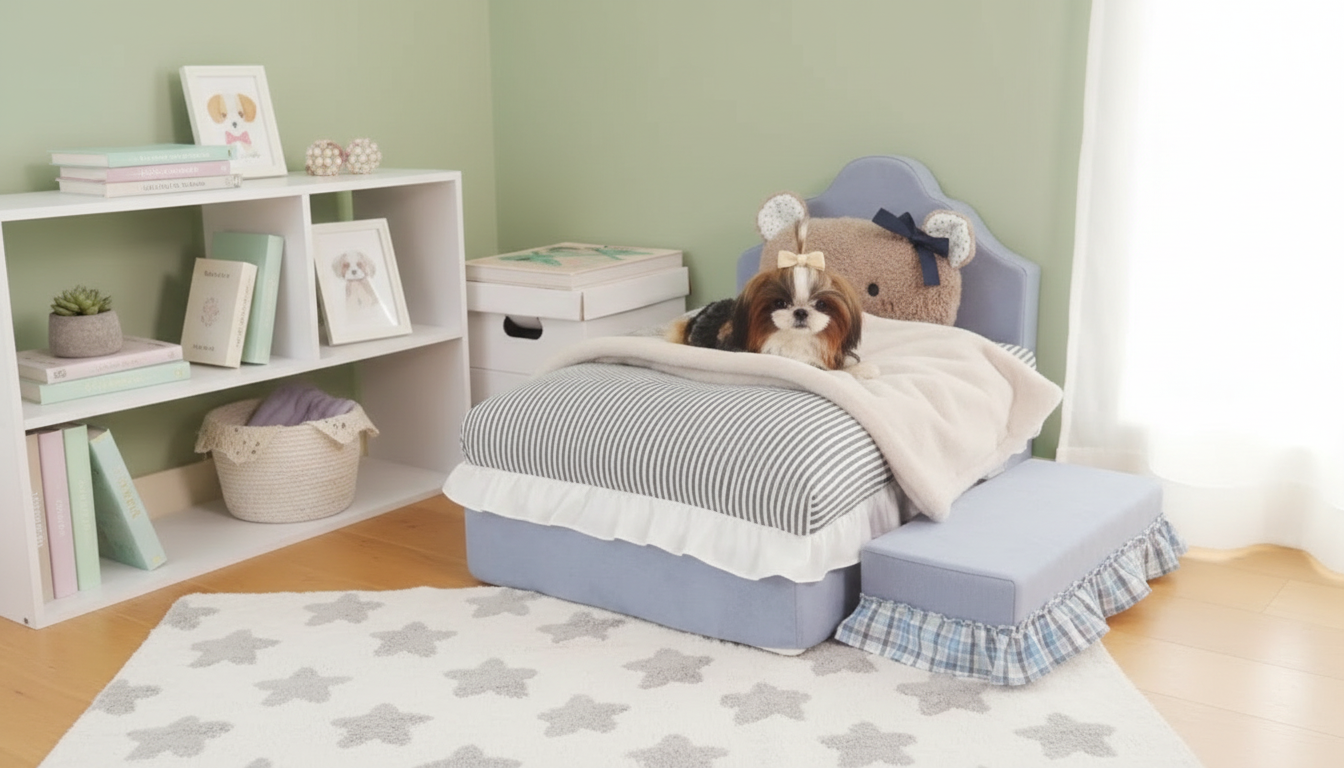
What is the most comfortable bed for a dog?
The most comfortable bed for a dog is the one that matches how your dog naturally rests, keeps them at a stable temperature, and stays supportive without feeling stiff. For many dogs, that means a cushioned, breathable bed with a soft surface, enough space to stretch out (or a gentle edge to lean on), and a fill that doesn’t flatten quickly after a few naps.
Start with sleeping style. Dogs that sprawl tend to do best on a flat, roomy mat or pillow-style bed. Curlers and “nesters” often relax faster with a slightly raised perimeter or a bed placed in a cozy corner where they can feel sheltered. Weight matters too: heavier dogs usually need denser cushioning to prevent pressure points, while smaller dogs can be comfortable on lighter padding as long as it doesn’t slip around.
Temperature and fabric can make or break comfort. If your dog runs warm or you live in a humid climate, prioritize airflow and moisture-friendly materials over thick plush that can trap heat. A breathable cotton surface is a popular choice because it feels soft, stays cooler than many synthetic plush fabrics, and is typically easier to keep fresh between washes. For a closer look at what to consider in a breathable cotton option, see this guide to cotton dog bed mats.
Everyday practicality also affects comfort. A bed with a washable cover (or a mat that can be laundered easily) stays softer and more inviting over time, since oils and odors don’t build up. A non-slip bottom helps the bed stay put on tile or hardwood, which can reduce startle and make it easier for older dogs to settle. Finally, measure your dog from nose to base of tail and choose a bed size that gives a little extra room—cramped beds often lead to constant repositioning and lighter sleep.
FAQ
What is the best dog bed for comfort?
The best option is one that fits your dog’s sleeping position, provides cushioning that won’t compress flat, and uses a surface fabric your dog willingly chooses. Look for easy-clean features and a stable base so the bed stays comfortable day after day.
What dog bed do vets recommend?
Vets commonly recommend beds that support joints, reduce pressure on bony areas, and are easy to keep clean to help manage allergens and odors. The ideal pick depends on your dog’s age, weight, mobility, and any existing health conditions.
What kind of bed is best for large dogs?
Large dogs usually do best with thicker, denser cushioning that holds its shape and a size that lets them fully stretch out. A durable cover and a non-slip bottom also help the bed stay comfortable and intact with daily use.














Leave a comment