



Rapid Trigger Switches Explained: Hall Effect Only?
What switches are rapid triggers?
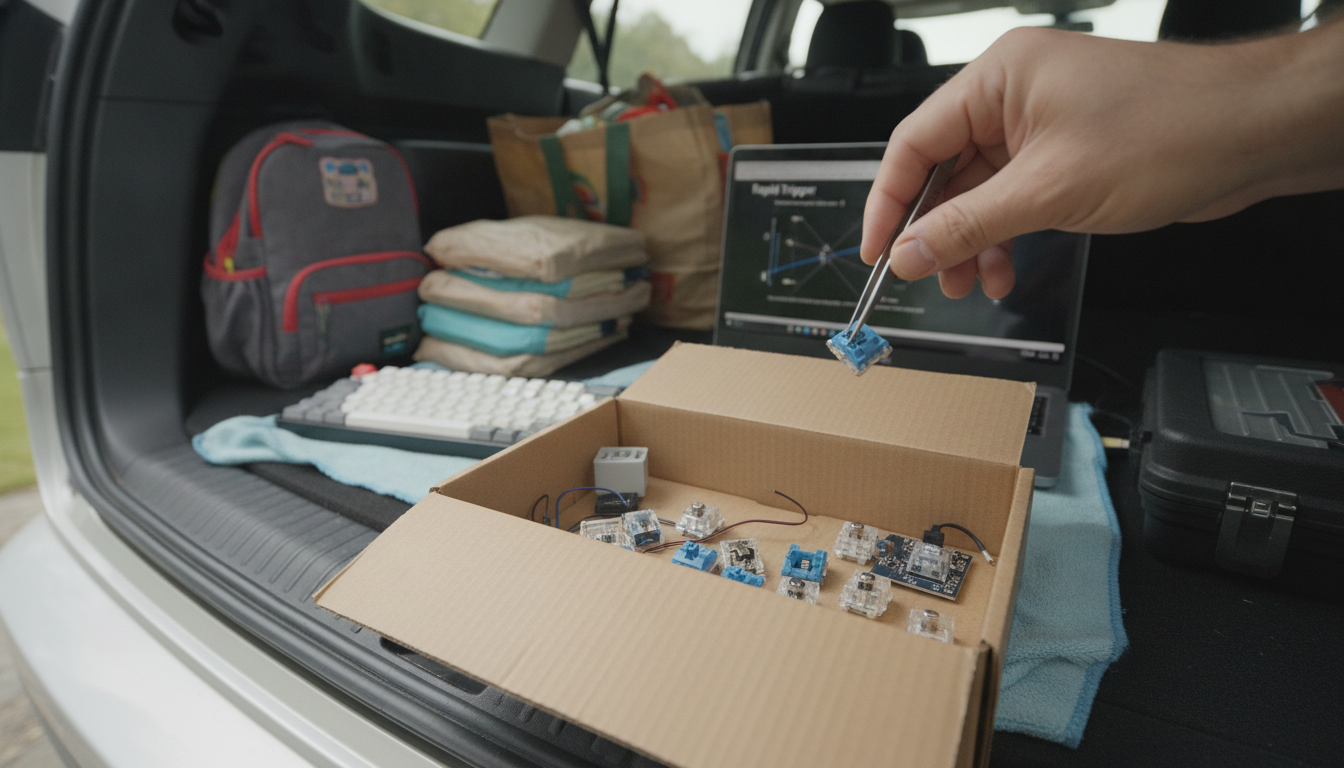
“Rapid trigger” isn’t a specific mechanical switch type like linear, tactile, or clicky. It’s a feature enabled by Hall effect (magnetic) switches paired with firmware that continuously reads how far the key has moved. Instead of waiting for the key to return past a fixed reset point, rapid trigger lets the key “reset” the moment you lift it by a tiny amount—then re-actuate again almost immediately on the next press.
Answer
Rapid trigger switches are Hall effect switches that support dynamic actuation and dynamic reset. They use a magnet and sensor to measure keystroke travel in real time, so the keyboard can trigger and untrigger based on movement rather than a single, fixed actuation point. That’s why rapid trigger is common on gaming-focused Hall effect keyboards and essentially unavailable on standard mechanical (contact-based) MX-style switches.
How rapid trigger behaves in use
On a traditional mechanical switch, actuation and reset happen at fixed points, so quick repeated presses can feel limited by that reset distance. With rapid trigger, the reset point follows your finger: if you slightly ease off the key, it can reset instantly, allowing faster repeated inputs. This is especially noticeable in games where quick counter-strafing, peeking, or rapid directional taps matter.
What to look for when shopping
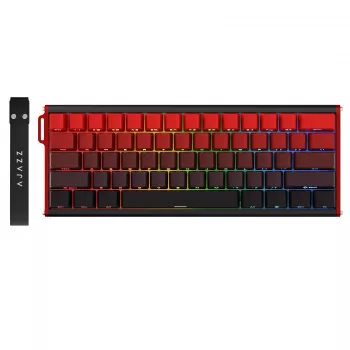
If a product page says “rapid trigger,” confirm it’s a Hall effect keyboard and that the software/firmware includes rapid trigger (sometimes listed alongside “adjustable actuation”). Also check whether it offers per-key tuning, minimum actuation distance, and stable calibration—those details affect consistency and feel.
For a deeper walkthrough of 60% wired Hall effect keyboards, how rapid trigger works, and what specs actually matter, see the full guide here: https://havencia.com/guide-60-percent-wired-hall-effect-keyboard-rapid-trigger/.
FAQ
Is rapid trigger the same as adjustable actuation?
No. Adjustable actuation sets where a keypress triggers, while rapid trigger changes how quickly the key resets by using movement-based (dynamic) reset instead of a fixed reset point.












Leave a comment