



Doc Martens Mary Janes: Release Era and Style History
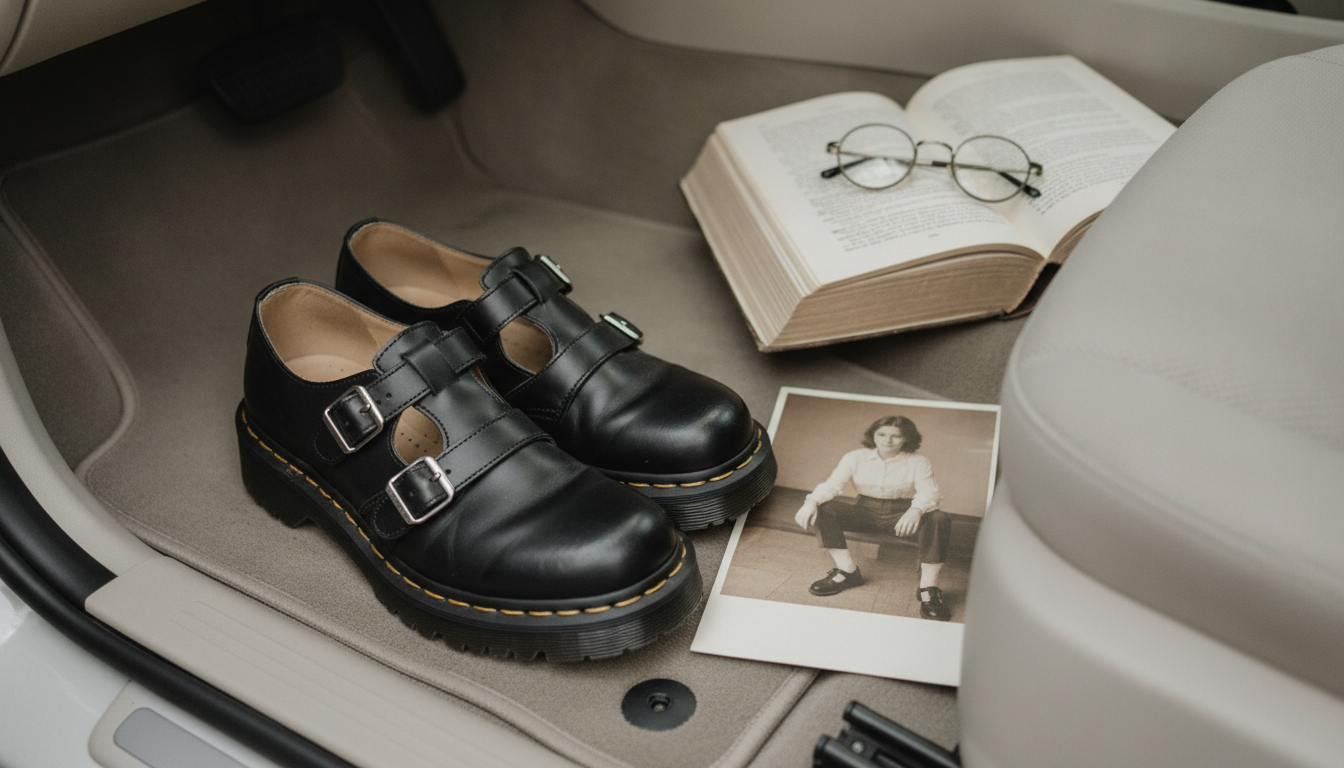
When did Doc Martens Mary Janes come out?
Doc Martens Mary Janes arrived after the brand’s original workwear boots had already become a staple. While Dr. Martens as a modern brand is closely associated with the 1460 boot (first produced in 1960), the Mary Jane silhouette in the Doc Martens lineup is generally traced to the late 1970s into the early 1980s, when the company expanded beyond lace-up boots into more shoe-forward styles.
The best-known “classic” Doc Martens Mary Jane is the 8065, a buckle-strap shoe built with the brand’s signature air-cushioned sole and sturdy welted construction. Instead of debuting as a single, heavily advertised launch year, Mary Janes emerged as part of a broader evolution of the catalog—adopted by subcultures and everyday wearers who wanted Doc durability in a more streamlined, strap-based shape.
By the 1990s, Doc Martens Mary Janes were widely recognized in alternative fashion and school-uniform-inspired styling, and they’ve continued to cycle back into mainstream popularity ever since. Today’s versions still lean on the same core cues—rounded toe, strap-and-buckle closure, and a sole that can range from relatively low-profile to platform—making them easy to dress up with tights and skirts or down with straight-leg jeans.
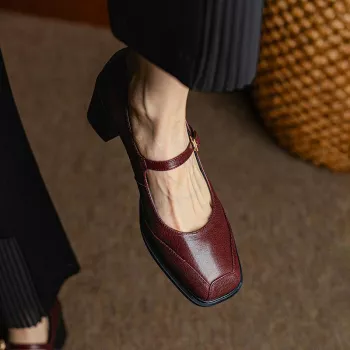
If you’re deciding between a classic Mary Jane and other retro, strap-driven heels, you’ll likely care about stability, foot support, and how the shoe’s shape affects all-day wear. For a style-focused breakdown of retro Mary Jane options (including block-heel considerations), see this guide to retro Mary Jane block heel pumps and stability.
For Doc Martens Mary Janes: Release Era and Style History, the best answer depends on fit, material, care instructions, and how the product will be used day to day.
FAQ
Are Doc Martens Mary Janes comfortable for all-day wear?
They can be, especially once broken in, because the construction is supportive and the sole helps absorb impact. Comfort depends on sizing, sock choice, and whether you prefer a softer upper versus a more structured leather.











Leave a comment