



Best Towel Warmer Placement: Safe, Dry & Within Reach
Where is the best place to put a towel warmer in the bathroom?
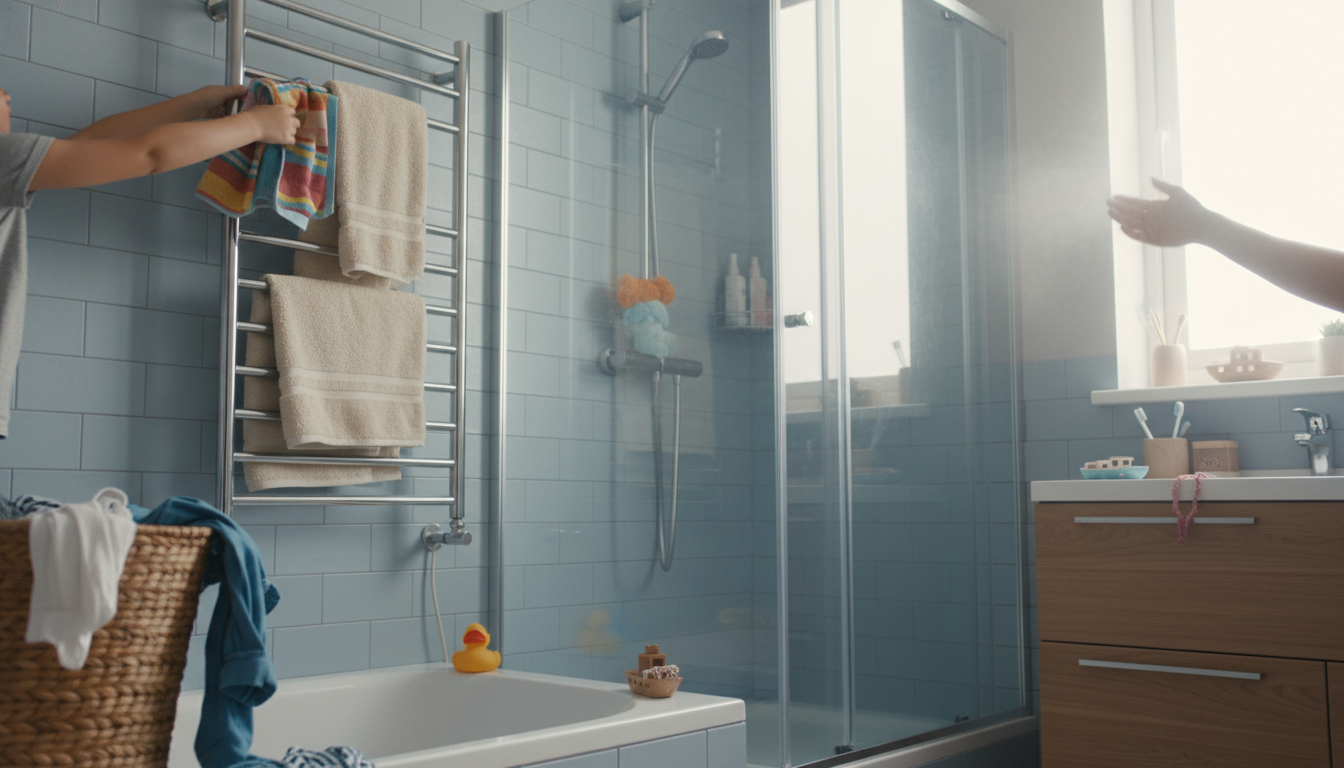
The best place for a towel warmer is where it’s easy to reach right after bathing, stays dry from direct spray, and has safe access to power (or plumbing, if hydronic). For most bathrooms, that means a spot within arm’s reach of the shower or tub exit—often near the vanity or on a wall just outside the wet zone—so a warm towel is available the moment you step out.
Prioritize convenience without getting too close to water
Aim for a location that supports a natural routine: step out, grab towel, dry off. Mounting the warmer on a wall adjacent to the shower door or just outside the tub’s splash range usually works well. Avoid placing it where it will be hit by constant steam blasts or direct water spray, which can slow drying and add maintenance.
Choose the right height and clearance
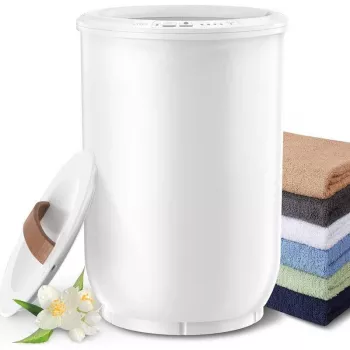
For wall-mounted warmers, place it at a height that allows towels to hang fully extended without touching the floor. Leave enough clearance on the sides for air circulation and easy loading. If the towel warmer has a door or a lid (as with bucket-style models), ensure it can open freely without hitting cabinets or the toilet.
Think about power, heat flow, and the room layout
Plug-in towel warmers should be close enough to an outlet to avoid extension cords, which can be unsafe in bathrooms. If you’re considering a larger unit, confirm there’s enough open wall space and that the warmer won’t block traffic through tight walkways. Placing it on an exterior wall can work, but an interior wall may retain heat better and help towels stay warmer longer.
Small bathrooms vs. large bathrooms
In smaller bathrooms, a wall-mounted rack near the shower often saves the most space. In larger bathrooms, you can prioritize comfort by placing a bigger towel warmer near the bathing area and adding a second convenient towel hook or bar by the vanity. For more placement tips and sizing guidance, see this towel warmer guide.
FAQ
Do towel warmers need to be hardwired?
No. Many towel warmers plug into a standard outlet, while others are hardwired for a cleaner look; the best option depends on your bathroom’s wiring access and the installation style you prefer.












Leave a comment