



Best Mirror for a Dressing Room: Plane vs Curved
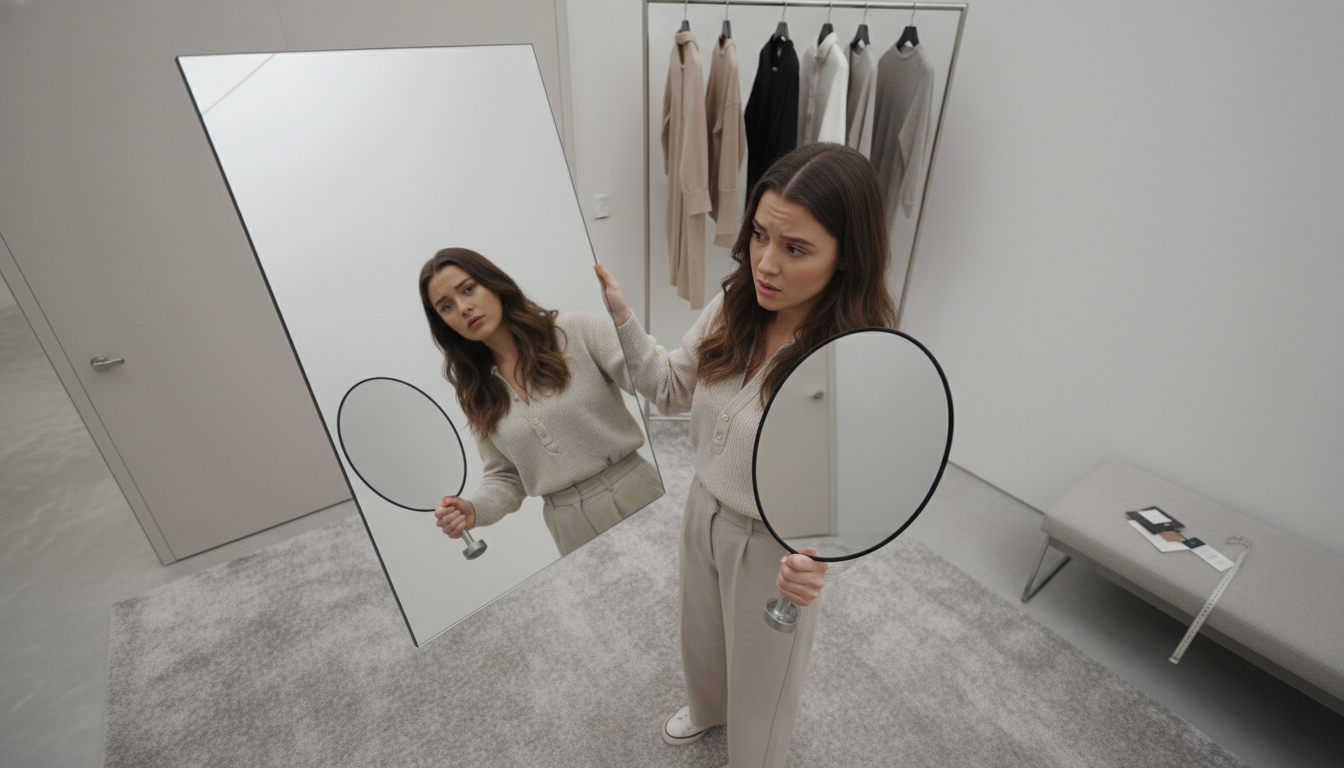
Which type of mirror is used in a dressing room?
The most common mirror used in a dressing room is a large, flat (plane) mirror—often a full-length wall mirror. A flat mirror reflects true-to-life proportions, so outfits look the right size and shape. That accuracy matters when checking hem length, fit at the shoulders, or how colors sit together under your room’s lighting.
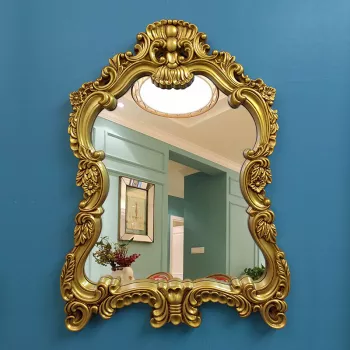
For dressing rooms that need a more elevated look, a European-style wall mirror is a popular choice. These mirrors typically pair a generous viewing area with refined frames and clean lines, making them functional for daily use while also acting as a design feature. If you’re comparing shapes, frames, and placement ideas for dressing and bathroom spaces, see the main guide here: https://havencia.com/guide-european-wall-mirror-bathroom-dressing-room/.
Best dressing room mirror features
Full-length size: Aim for a mirror tall enough to show head-to-toe at a comfortable distance. Many people prefer a mirror that’s roughly 60–70 inches tall (or taller if ceiling height allows).
Wide viewing area: A wider mirror helps you check side angles without constantly stepping left and right.
Clear, undistorted glass: Quality flat glass with a solid backing reduces warping that can make clothing lines look off.
Wall-mounted or leaning: Wall-mounted mirrors save floor space and feel built-in. Leaning mirrors create a boutique vibe, but should be secured to prevent tipping.
What about magnifying or curved mirrors?
Magnifying mirrors are useful for makeup and detail grooming, but they’re not ideal for judging an outfit because magnification changes scale. Curved mirrors can alter proportions and should be avoided for primary dressing-room use unless they’re specifically designed for accurate viewing.
FAQ
How do you choose the right size mirror for a dressing room?
Pick a full-length mirror that shows your entire body at once and is wide enough for quick angle checks. If space allows, go larger than the minimum—bigger mirrors make dressing areas feel more open and easier to use.









Leave a comment