



Vet Guidance on Self-Cleaning Litter Boxes for Cats
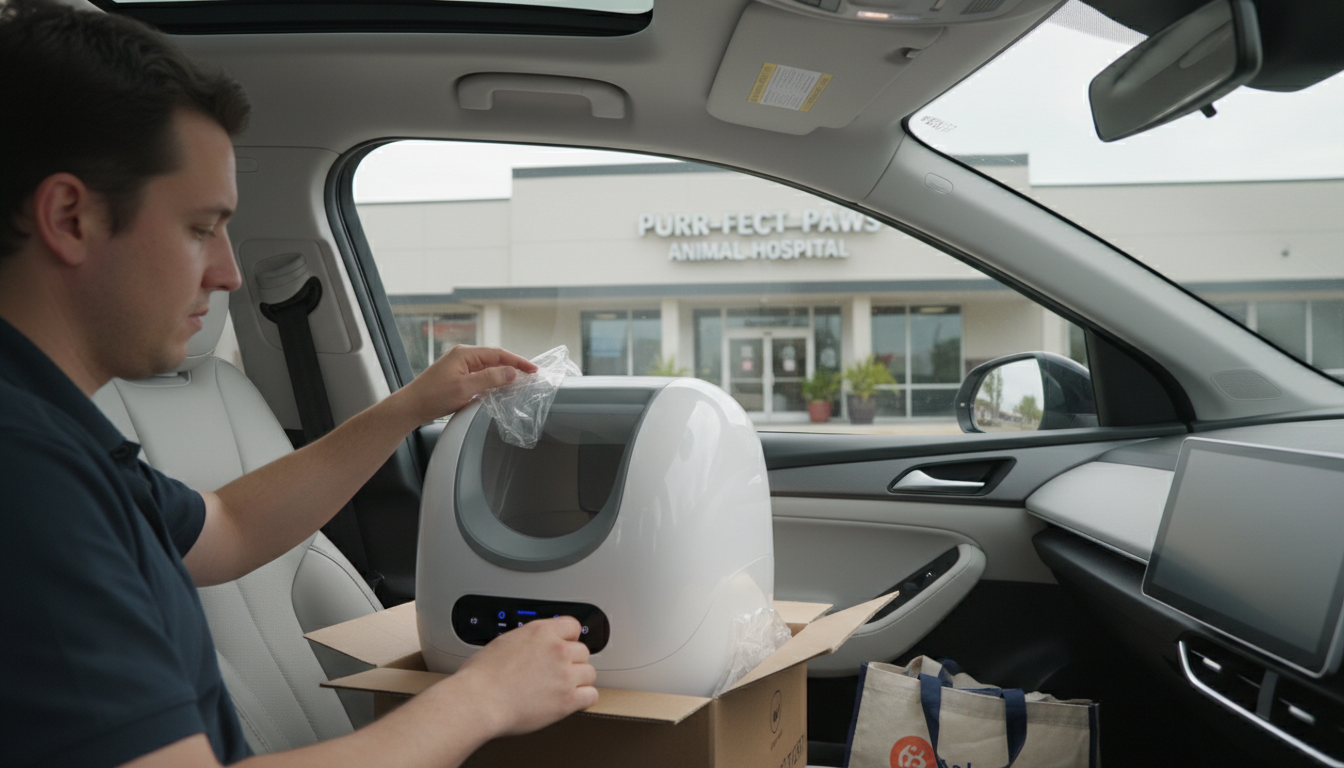
Do vets recommend self-cleaning litter boxes?
Many veterinarians are comfortable recommending self-cleaning litter boxes, but usually with a few practical conditions: the box needs to be safe, roomy enough for your cat, and kept reliably clean. A self-cleaning model can be a strong option for busy households because it helps reduce odor and waste buildup between full cleanings, which can encourage consistent litter box use.
Why vets may recommend them
Vets often focus on litter box hygiene because dirty boxes are a common reason cats avoid the litter box. Automatic scooping can keep the litter surface fresher throughout the day, which may help prevent accidents and reduce stress for cats that are picky about cleanliness. It can also make it easier for owners to stick to a routine—an important factor for multi-cat homes.
When a vet might advise caution
Not every cat is an ideal match. Timid cats may be startled by motion or noise, and some cats dislike changing box conditions. Kittens, seniors, and cats with mobility issues may need extra consideration so they can enter comfortably and turn around easily. Most importantly, any litter box change can mask health clues: if waste is automatically hidden, owners may miss early signs like diarrhea, constipation, or changes in urine clumps.
How to use one in a vet-friendly way
Choose a model that offers a spacious interior, stable footing, and a reliable safety sensor so the rake or drum won’t cycle while a cat is inside. Transition gradually by placing the new box near the old one and letting your cat investigate before turning on automatic cycles. Even with automation, keep up with regular deep cleaning, replace litter as recommended, and do a quick daily check of the waste drawer to monitor output.
For sizing tips and features that matter most in busy homes, see the full guide: Oversized self-cleaning litter box guide.
FAQ
How often should you deep clean a self-cleaning litter box?
Most households do best with a full wash and wipe-down every 2–4 weeks, depending on the number of cats and how well the unit controls odor. Empty and clean the waste bin more frequently—often every few days—to keep smells down and reduce bacteria buildup.












Leave a comment