



Are Mary Jane Shoes an 80s Trend? What to Know
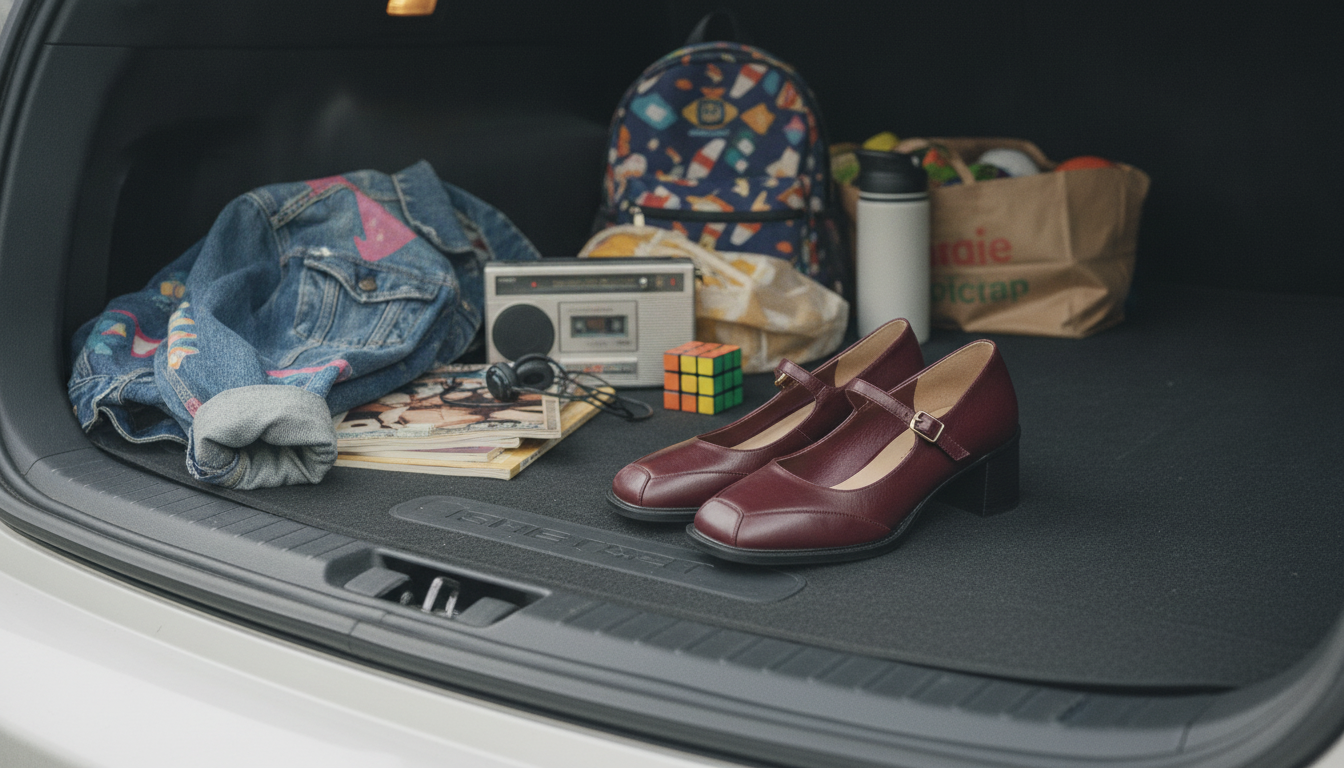
Are Mary Jane shoes 80s?
Mary Jane shoes aren’t exclusively “80s” shoes, but they absolutely fit the decade’s look. The style actually dates back to the early 1900s, defined by a closed toe and a strap across the instep. What makes them feel 80s is how they were worn and built during that era: chunkier soles, more noticeable straps, and comfortable, walkable heels that matched the decade’s love of bold silhouettes.
In the 1980s, Mary Janes showed up in multiple style lanes. Preppy outfits often paired them with opaque tights, pleated skirts, and oversized sweaters. On the dressier side, glossy leather and patent finishes worked with statement dresses and tailored separates. And as trends leaned playful, the strap detail helped shoes look intentional—whether the heel was modest, blocky, or more exaggerated.
Why Mary Janes read as “80s” today
When a Mary Jane has a thicker strap, a higher vamp, or a stable block heel, it nods to 80s proportions. The decade favored footwear that felt substantial, and Mary Janes can deliver that instantly—especially in black patent, bright colors, or with a rounded toe. Add tights or socks, and the retro association gets even stronger.
How to get an 80s-inspired Mary Jane look without feeling costume-y
Choose one element to lean into. A block heel gives a clear retro vibe while still feeling current. Keep the rest streamlined: straight-leg jeans, a simple mini skirt, or a modern midi. If you want to go full throwback, pair Mary Janes with opaque tights and a structured blazer.
For a deeper dive into styling and what makes block-heel Mary Janes feel both retro and steady on your feet, see the full guide here: https://havencia.com/guide-retro-mary-jane-block-heel-pumps-style-stability/.
FAQ
What’s the difference between Mary Janes and pumps?
Mary Janes have a strap across the top of the foot, while classic pumps are typically strapless. Many Mary Jane styles are also built with rounder toes or more supportive shapes, though both can be dressy.









Leave a comment