



Do Portable Solar Power Banks Work? Real-World Results
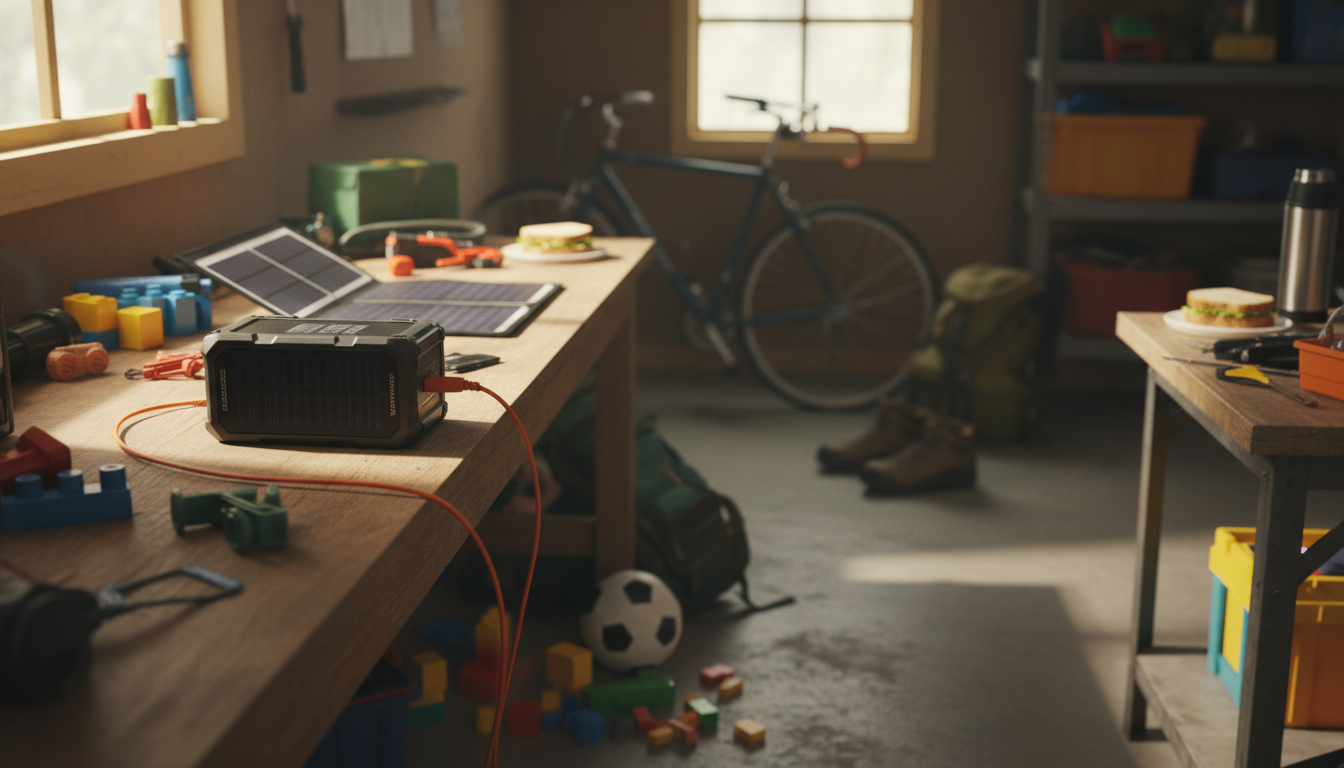
Do portable solar power banks really work?
Yes—portable solar power banks work, but only when expectations match how they’re designed to be used. Most “solar power banks” fall into two categories: small phone-sized batteries with a built-in solar panel, and larger portable power stations that can be charged effectively from separate solar panels. Both can provide real power, but they perform very differently.
How well do the built-in solar panels work?
On compact power banks, the tiny integrated panel usually charges very slowly. It can be useful as an emergency trickle-charge when there’s no outlet, but it’s rarely fast enough to be your main way to refill the battery—especially in shade, cloudy weather, or when the panel isn’t angled toward the sun.
Why do solar-charged power stations work better?
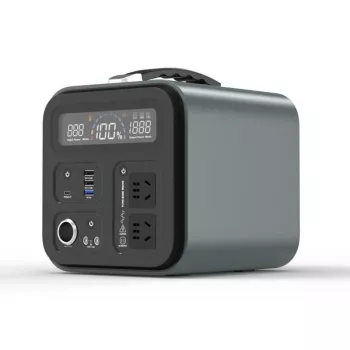
Portable power stations paired with properly sized solar panels are the more dependable option because they can accept higher solar input and store much more energy. That means you can realistically recharge during daylight and run practical loads like phones, laptops, lights, small fans, or even certain appliances—depending on the station’s wattage and battery capacity.
What affects real-world performance?
Key factors include sunlight intensity, panel wattage, battery capacity (Wh), and the power draw of what you plug in. USB charging for phones is easy. Running AC devices depends on inverter capacity and whether the power station uses a pure sine wave inverter for sensitive electronics. For a deeper look at sizing, runtime, and what a mid-size setup can support, see this guide: 550Wh Solar Power Station (600W Pure Sine) Backup Guide.
Bottom line
Portable solar power banks do work—best for small electronics and emergency readiness. For meaningful solar recharging and longer runtimes, choose a power station designed for solar input and pair it with an appropriately sized panel.
FAQ
How long does it take to charge a portable power station with solar panels?
It depends on the station’s battery capacity and the solar panel wattage, but most setups take several hours of strong sun for a substantial recharge. Cloud cover, shade, and poor panel angle can significantly extend charging time.












Leave a comment