



90,000 BTU Commercial Gas Stove w/ Cabinet Base Guide
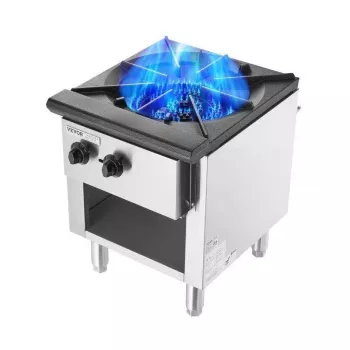
Commercial Gas Stove Power Built for Peak Service
A high-output commercial gas stove can make or break service during peak hours. This 90,000 BTU restaurant-ready unit pairs fast, responsive heat with an integrated cabinet base to keep essential cookware close at hand, supporting smoother line workflow and cleaner station organization. For kitchens that live on quick recoveries, consistent flames, and efficient station habits, it’s the kind of core equipment that pays back every shift. For more guidance, see Southbend Hybrid Restaurant Range, Gas & Electric, 36.
What This Stove Adds to a Busy Line
- 90,000 BTU total cooking power designed for high-demand sautéing, searing, boiling, and rapid recovery between pans.
- Cabinet base keeps frequently used pots, pans, and small wares within reach, reducing steps during service.
- Gas heat response supports quick flame adjustments for delicate simmering and aggressive high-heat cooking.
- Built for restaurant kitchens where reliability, speed, and easy daily wipe-downs matter.
If your line cooks bounce between hard sears and controlled reductions, the ability to change heat instantly is more than convenience—it’s consistency. The cabinet base also helps keep your station from turning into a countertop “parking lot” of pans and lids. For further reading, see Southbend Restaurant Gas Range, 48″ W with 8 (1) Convection ….
Key Specs to Confirm Before Purchase
- Total heat output: 90,000 BTU (verify how this is distributed across burners if your menu relies on multiple simultaneous high-heat pans).
- Fuel type compatibility: confirm natural gas vs. liquid propane requirements and whether conversion components are needed.
- Gas connection and regulator: ensure the kitchen’s gas supply, shutoff location, and regulator specs match local code and installer requirements.
- Kitchen fit: measure available width/depth/clearances, including rear clearance to wall protection and side clearance to adjacent equipment.
- Storage configuration: cabinet clearance and shelf/space suitability for the cookware you plan to store.
- Compliance needs: confirm any facility requirements for NSF/ANSI sanitation certification where applicable.
Installation requirements vary by municipality and hood setup, so it’s smart to validate ventilation and fire protection expectations early. Many operators also look for recognized sanitation and safety standards; the NSF equipment certification overview is a helpful reference point when comparing models and facility requirements.
Understanding 90,000 BTU in Daily Cooking
In practical terms, higher BTU output supports faster boil times and better heat recovery when cold product hits a hot pan. That recovery is what keeps your tickets stable when multiple pans are firing and the pass is filling up.
Menu-fit examples include rapid pasta water recovery, hard sears on proteins, and high-volume sauce production. Heat control matters as much as peak output, so look for steady low-flame performance for reductions and holding. Also, if multiple burners run at once, confirm your gas line sizing can supply full demand without pressure drop—weak pressure can turn “high output” into inconsistent performance.
What to Match to Your Menu
| Kitchen need | Why it matters | What to verify |
|---|---|---|
| Fast boiling and quick recovery | Keeps ticket times stable during rush | Adequate total BTU and gas supply capacity |
| High-heat searing | Better browning and faster cook times | Stable flame at high output; proper ventilation |
| Simmering sauces | Prevents scorching and reduces waste | Low-end flame control and consistent burner performance |
| Multi-pan service | Supports simultaneous cooking tasks | Burner layout and usable space for your pan sizes |
Cabinet Base Benefits for Restaurant Workflow
- Reduces trips to speed racks by storing sauté pans, stockpots, lids, and smallwares directly under the cooking surface.
- Supports cleaner stations by keeping clutter off prep tables and reducing countertop overflow.
- Helps with mise en place discipline: dedicate cabinet zones (pans left, lids right, hotel pans below) for faster retrieval.
- Confirm cabinet access in your layout: door swing and the ability to open while staff pass behind the line.
A cabinet base also helps protect cookware from splashes and airborne debris that can collect on open shelving in a high-traffic line. For many kitchens, that translates into less wiping and less “where did that lid go?” during a rush.
Installation Planning: Gas, Ventilation, and Clearances
For a deeper look at best-practice ventilation and fire protection concepts used across the industry, see NFPA 96. If you’re comparing energy performance across a broader equipment package, ENERGY STAR commercial food service equipment resources can also help frame efficiency conversations.
Daily Cleaning and Maintenance Habits
How It Compares to Other Common Kitchen Options
| Option | Heat capability | Storage | Best for | Trade-offs |
|---|---|---|---|---|
| Commercial gas stove (90,000 BTU) with cabinet | High | Enclosed cabinet base | High-volume lines needing speed + organization | Requires proper hood/fire safety and gas planning |
| Open-base commercial gas range | High | Open lower shelf/space | Kitchens prioritizing under-unit cleaning access | Less enclosed storage, more exposure to splashes/dust |
| Countertop hot plate | Low to medium | None | Backup station or light-duty tasks | Lower throughput and durability for all-day service |
| Commercial induction unit | High (task-dependent) | None | Efficient, cooler kitchens with compatible cookware | Different workflow; electrical capacity planning needed |
Who This Stove Fits Best
In-Stock Picks
- Commercial Gas Stove with 90,000 BTU and Cabinet for Restaurant Kitchens ($1044.40)
- Clear Space, Clear Mind: How to Find Motivation and Declutter Your Home for Good | Digital Decluttering Guide ($30.96)
- Breathe Easy: Your Mindfulness Breathing Action Checklist | Mindfulness Breathing Exercises PDF ($25.60)
FAQ
What are the best commercial gas ranges?
The best commercial gas ranges are the ones that match your menu and peak load: strong BTU and fast recovery, dependable burners and valves, easy cleaning, required certifications where applicable, and compatibility with your hood and fire-suppression setup.












Leave a comment