



Colored Stainless Steel: Methods, Durability & Buying Tips
Is there a colored stainless steel?
Yes—stainless steel can be made “colored,” but the color usually comes from a surface treatment rather than dye mixed into the metal. Because stainless steel is naturally silver-gray, manufacturers add color by changing the outermost layer (or adding a coating) while keeping the corrosion resistance and strength that make stainless steel popular for décor, hardware, and sculpture.
How stainless steel gets color
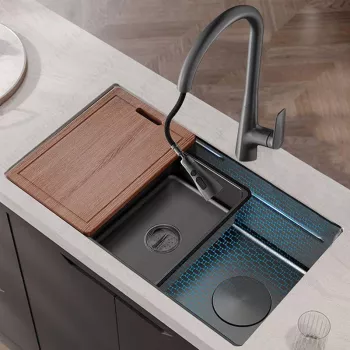
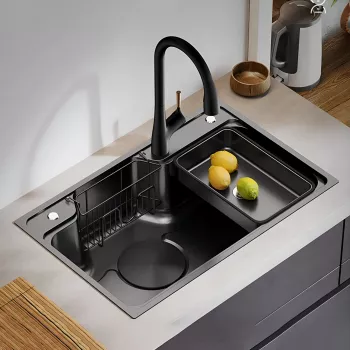
The most common options include PVD (physical vapor deposition) coatings, electrochemical coloring, and durable paint or powder coating. PVD is widely used for gold, black, bronze, and “rainbow” tones and can create a hard, wear-resistant finish. Electrochemical coloring alters the thickness of the oxide layer to produce hues like bronze, blue, or purple with a metallic look. Powder coating and paint offer the widest palette, though they behave more like a separate colored shell on top of the steel.
Is colored stainless steel still stainless?
Generally, yes—because the base metal is still stainless steel. However, the performance you experience day-to-day depends on the finish. A tough PVD layer can hold up well to handling, while painted surfaces may chip if struck. Even with premium finishes, sharp abrasives, sand, or metal-to-metal scraping can leave visible marks on dark or high-gloss colors faster than on brushed silver.
What to look for when buying colored stainless steel
Ask what coloring method is used, the stainless grade (such as 304 or 316), and the intended environment. For outdoor or coastal use, 316 stainless is typically preferred, and a finish designed for exterior exposure matters. Also consider texture: brushed or satin finishes tend to hide fingerprints and fine wear better than mirror-polished colored surfaces.
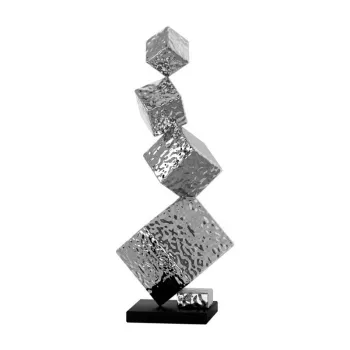
For design ideas and how stainless finishes play into modern forms, see this modern geometric stainless steel sculpture guide.
FAQ
Does colored stainless steel fade over time?
PVD and electrochemical colors are generally stable, but harsh UV exposure, airborne grit, and aggressive cleaners can dull the surface. Painted or powder-coated stainless can fade or chalk sooner outdoors depending on coating quality.









Leave a comment