



3 Teen Anxiety Warning Signs Parents Shouldn’t Miss
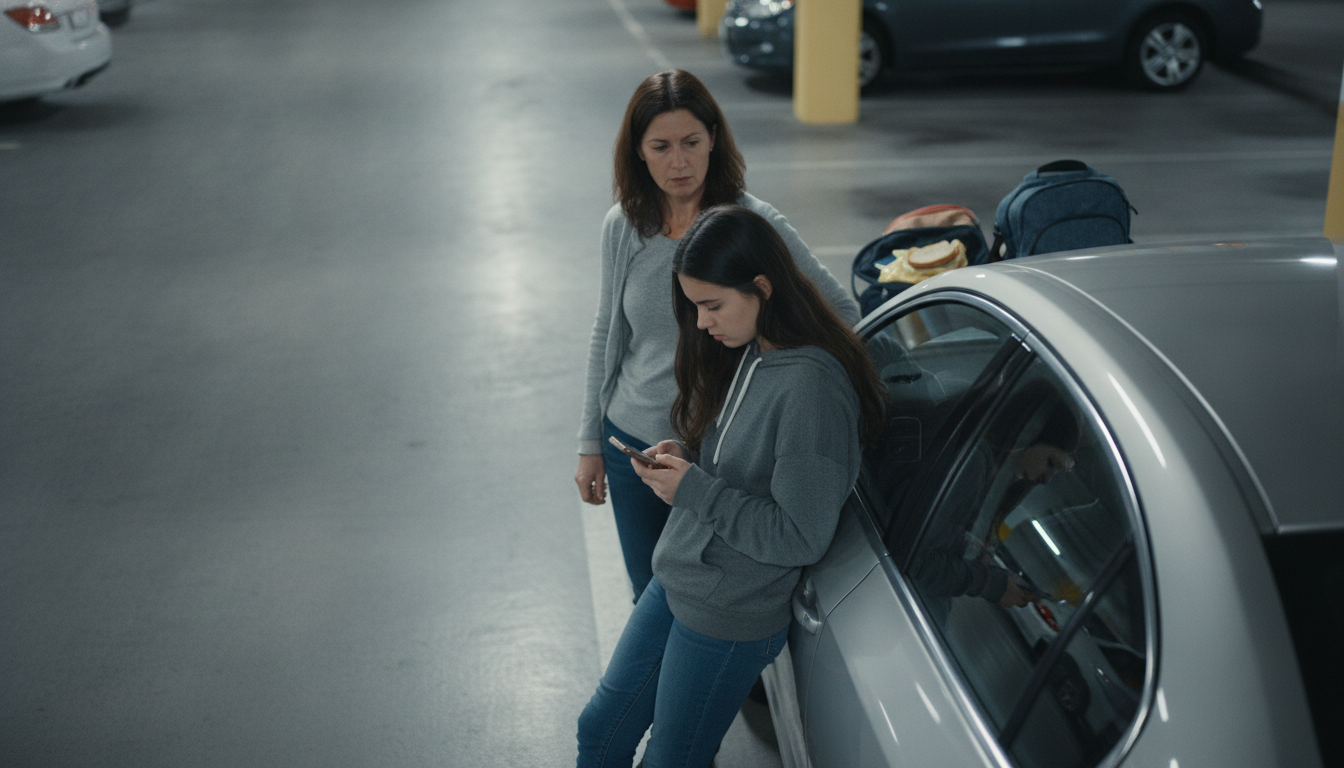
What are three warning signs that a teenager may be struggling with anxiety?
Anxiety in teens doesn’t always look like panic or constant worry. Often, it shows up as changes in behavior, body symptoms, or a sudden shift in how they handle everyday life. Here are three common warning signs that may signal a teenager is struggling with anxiety.
1) Avoidance that starts shrinking their world
Occasional nerves are normal, but anxiety often pushes teens to avoid situations that feel uncertain or “too much.” This can look like frequently asking to stay home from school, skipping social plans they used to enjoy, refusing to speak up in class, or needing constant reassurance before trying something new. Over time, avoidance can quietly reduce their confidence and independence.
2) Physical complaints with no clear medical cause
Anxiety is a whole-body experience. Teens may report stomachaches, headaches, nausea, dizziness, chest tightness, or trouble catching their breath—especially before school, tests, sports, or social events. Sleep can also change: difficulty falling asleep, waking often, or feeling exhausted despite enough time in bed. If symptoms cluster around stressful moments, anxiety may be part of the picture.
3) Irritability and sudden shifts in mood or focus
Many teens don’t describe anxiety as “worry.” Instead, it can come out as anger, frustration, or being unusually on-edge. You might notice more snapping over small issues, restlessness, trouble concentrating, or a drop in grades due to mental overload. Some teens also become perfectionistic—spending excessive time checking, rewriting, or fearing mistakes.
If these signs persist, get louder, or interfere with school, friendships, or family life, it’s worth taking seriously. For more gentle, practical support tools, read this anxiety-sensitive motivation checklist for parents and teens.
FAQ
How can parents support a teen with anxiety without making it worse?
Start with calm, specific observations (“I’ve noticed mornings feel really hard lately”) and ask what feels most stressful. Offer choices and small next steps, validate their feelings, and consider involving a pediatrician or therapist if anxiety is impacting daily functioning.















Leave a comment