



Cat Rabbit Meaning: What People Call Cat-Like Rabbits
What is a cat rabbit called?
A “cat rabbit” usually refers to a rabbit that has strong cat-like traits—such as being more independent, using a litter box reliably, or enjoying perching in higher spots. There isn’t one official breed name for a cat rabbit, but a common, real-world term is “cat-like rabbit.” In some cases, people use “cat-rabbit” as a playful nickname for a specific pet’s personality rather than a true species or breed.
Is there a real animal that’s half cat and half rabbit?
No. Cats and rabbits are different species and can’t produce a hybrid together. When someone says “cat rabbit,” it’s almost always describing behavior, appearance, or a cute internet label—not a biological mix.
Why do some rabbits seem cat-like?
Many rabbits share habits that people associate with cats: grooming frequently, choosing cozy “safe” spots, and communicating with subtle body language. Some rabbits also prefer being approached on their terms, which can feel more “cat-ish” than “dog-like.” Personality plays a big role, along with early handling and how secure a rabbit feels at home.
Does “cat rabbit” ever refer to a specific rabbit breed?
Not officially. However, certain breeds and mixes may get called “cat-like” more often because they’re compact, tidy, and quick to learn routines. Individual temperament matters more than breed labels, so two rabbits from the same breed can act very differently.
Making home life easier for a “cat-like” rabbit
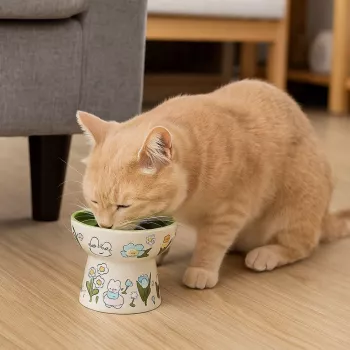
If a rabbit tends to act independent and selective, comfort and stability are key—especially at feeding time. A steady bowl that stays in place can help reduce mess and stress around meals. For a practical example of a thoughtfully designed feeding setup, see this guide to the Green Rabbit Ceramic Cat Bowl, which highlights features like a non-slip base and an angled shape that can make daily feeding smoother in multi-pet homes.
FAQ
Can cats and rabbits live together safely?
Sometimes, but it depends on the cat’s prey drive and the rabbit’s confidence. Introductions should be slow, supervised, and set up so the rabbit always has a secure escape route and separate resources.













Leave a comment