



Stainless Steel Look-Alikes: How to Spot Them

What looks like stainless steel but isn’t?
Several materials can mimic the cool, brushed shine of stainless steel without actually being stainless. The most common look-alikes are chrome-plated steel, aluminum, nickel-plated metals, and even certain plastics or resin composites finished with a metallic coating. They can appear nearly identical at a glance, especially under showroom lighting or in product photos.
How to tell the difference
If something “looks stainless” but you’re unsure, a few practical clues usually reveal what it is.
Chrome-plated steel
Chrome plating is often brighter and more mirror-like than typical stainless. It can also show tiny pitting or flaking over time if the plating is damaged, exposing darker steel beneath. If a scratch reveals a different-colored layer, it’s likely plated rather than solid stainless.
Aluminum with a brushed finish
Brushed aluminum can resemble brushed stainless closely, but it’s noticeably lighter in weight. It may also dent more easily. Aluminum won’t rust like steel, but it can oxidize and develop a dull, chalky surface if the protective finish wears off.
Nickel-plated or “stainless-look” alloys
Some alloys and platings are designed specifically to imitate stainless. They may hold up well indoors, but they can discolor or corrode faster in humid areas, near salt air, or when exposed to harsh cleaners.
Metal-coated plastic or resin
Decor items sometimes use plastic or resin with a metallic film or paint. These pieces are typically very light for their size and may feel warmer to the touch than real metal. Tapping them often produces a dull sound rather than a crisp ring.
Why it matters for decor and sculpture
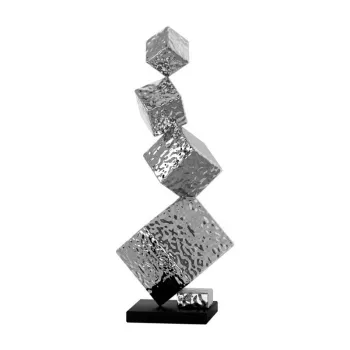
In modern decor—especially geometric pieces and sculptural accents—the “stainless” look is often chosen for its clean lines and contemporary sheen. When the material isn’t actually stainless, durability and maintenance can change: plated finishes can scratch differently, and some coatings are more sensitive to abrasives or moisture.
For a deeper dive into how stainless steel is used in contemporary geometric art—and how to choose the right finish—visit this stainless steel sculpture guide.
FAQ
Is stainless steel magnetic?
Sometimes. Many stainless steels are weakly magnetic or not magnetic at all, but some grades (especially certain ferritic or martensitic types) can attract a magnet more noticeably.












Leave a comment