



Ultimate Coach: Build Confidence, Culture, Results
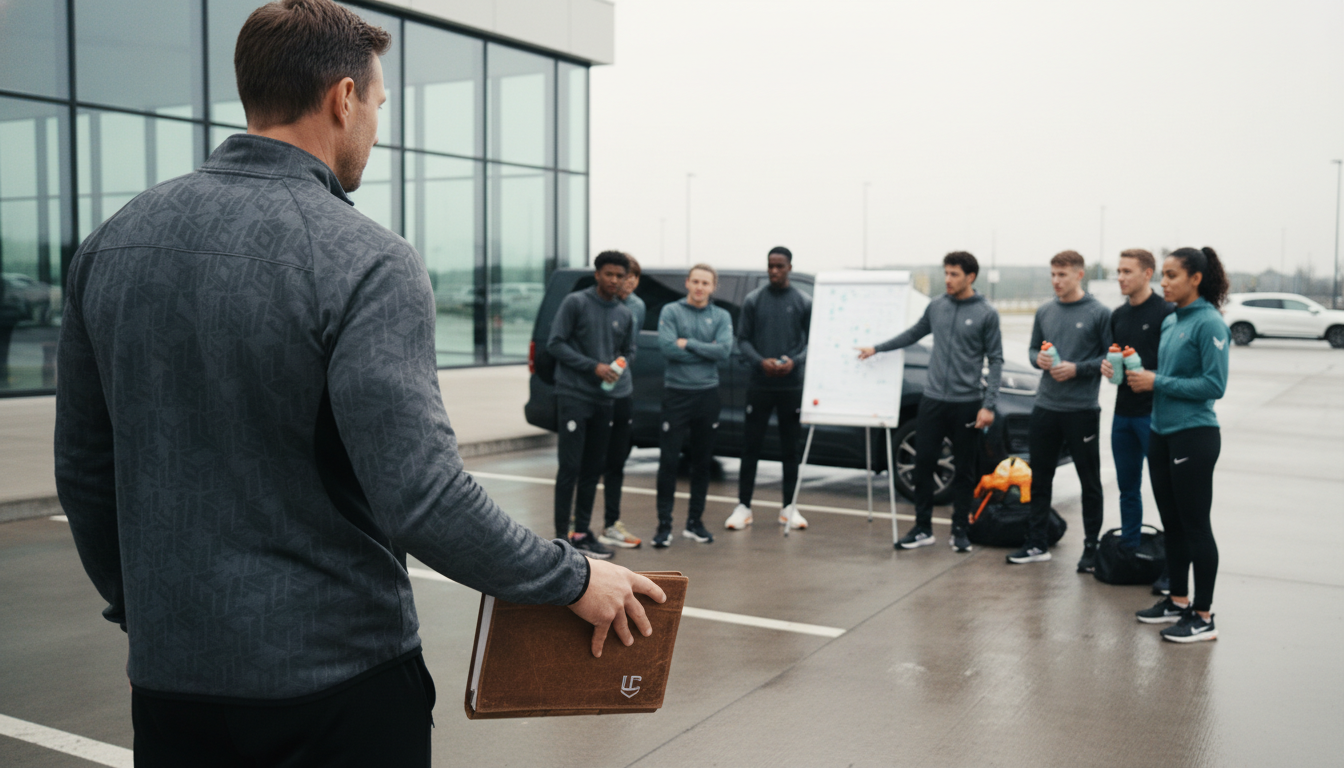
Who is the ultimate coach?
The “ultimate coach” isn’t always the loudest voice on the sideline or the person with the longest resume. The ultimate coach is the one who consistently helps athletes perform better while also building confidence, trust, and accountability. Results matter, but lasting development matters more—because wins without growth tend to fade, while skills and character carry forward.
What makes someone an ultimate coach?
An ultimate coach is defined by impact. That impact shows up in how players respond under pressure, how they bounce back after mistakes, and how they support each other when it’s hard. Instead of relying on fear or constant criticism, the ultimate coach sets clear standards, communicates with purpose, and motivates in a way that fits the team and the moment.
They also coach the whole environment: expectations, routines, energy, and mindset. Athletes can tell the difference between a coach who merely “runs practice” and one who creates a culture where improvement is the norm.
How the ultimate coach motivates without burning players out
Great coaching is often a balance of challenge and care. The ultimate coach pushes athletes to stretch, but also recognizes when a player needs a reset, a different cue, or a confidence boost. Motivation isn’t a single speech—it’s repeated actions: recognizing small wins, giving specific feedback, and keeping effort tied to progress.
Practical tools can make this easier. For a helpful set of ideas to keep players energized and focused, see the motivation checklist in this guide: https://havencia.com/blog/guide-coach-motivation-checklist-energize-players/.
Ultimate coaching is measured by what happens when you’re not there
A strong sign of an ultimate coach is independence. Players communicate, self-correct, and keep standards high even without constant supervision. That happens when a coach teaches the “why,” reinforces responsibility, and develops leadership within the team.
FAQ
How can a coach keep players motivated during a long season?
Mix clear short-term goals with variety in training, and keep feedback specific to effort and improvement. Regularly check energy levels, celebrate small progress, and adjust roles or challenges so players stay engaged.













Leave a comment