



Most Realistic AI Pet: What to Look For in 2026
What is the most realistic AI pet?
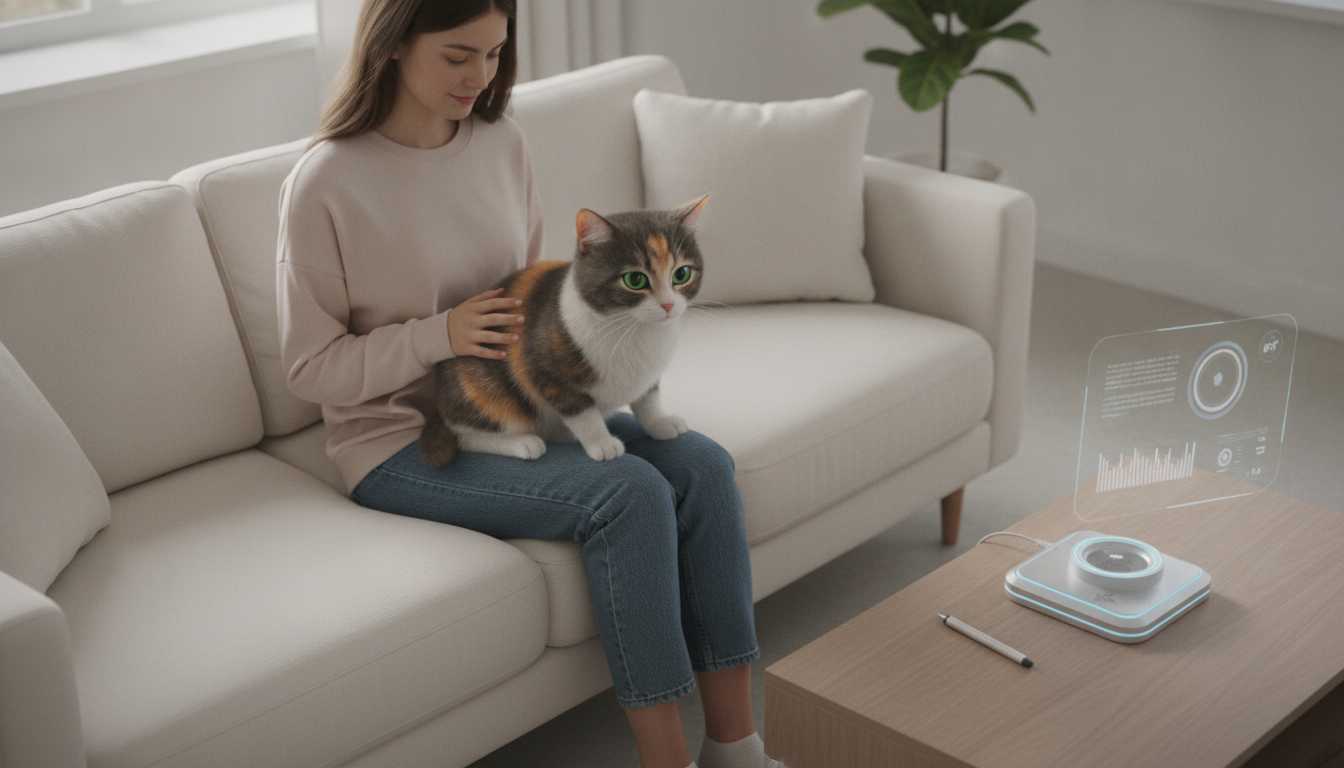
The most realistic AI pet is the one that can respond to you in real time, show consistent “personality,” and adapt its behavior over days and weeks—more like a companion than a toy. Today, that usually means an AI pet that combines three things: (1) strong conversational AI (so it can understand context and remember preferences), (2) embodied interaction (movement, sounds, touch sensors, or on-screen expressions), and (3) behavioral learning (so it changes routines based on your habits).
For many shoppers, the most “realistic” option ends up being a robotic pet designed for social interaction—especially models built to react to voice, touch, and daily patterns. These tend to feel more lifelike than purely app-based virtual pets because physical cues (turning toward you, making eye contact, responding to petting) trigger the same caregiving instincts people experience with real animals.
What makes an AI pet feel real day-to-day?
Realism comes from believable behavior, not perfect fur or a cute avatar. Look for an AI pet that can: recognize who’s interacting, respond quickly without obvious delays, maintain mood and routines (calm vs. playful), and learn small preferences (favorite games, times you interact most). The more it can “settle” into a predictable routine—then vary that routine naturally—the more it feels like a living companion.
What to choose: robotic pet vs. virtual pet?
If realism means companionship and presence, a robotic AI pet usually wins because it shares your space and reacts to touch and sound. If realism means rich conversation and storytelling, a virtual AI pet on a phone or tablet can feel more intelligent and emotionally responsive, even without a physical body. The best match depends on whether you want tactile interaction or deeper dialogue.
How to tell if an AI pet will stay engaging over time
Check whether it supports long-term memory, routine-building, and behavior “modes” (calm, playful, soothing). For ideas on shaping calmer, more predictable interactions—especially if you’re using an AI pet as a comfort routine—see the behavior-focused guide here: https://havencia.com/guide-ai-pet-behavior-toolkit-10-in-1-calmer-routines/.
FAQ
Can AI pets help with anxiety?
They can support anxiety management by offering predictable routines, gentle interaction, and a sense of companionship. The most helpful ones let you set calming behaviors and repeatable check-ins rather than relying on random novelty.














Leave a comment